Main Menu
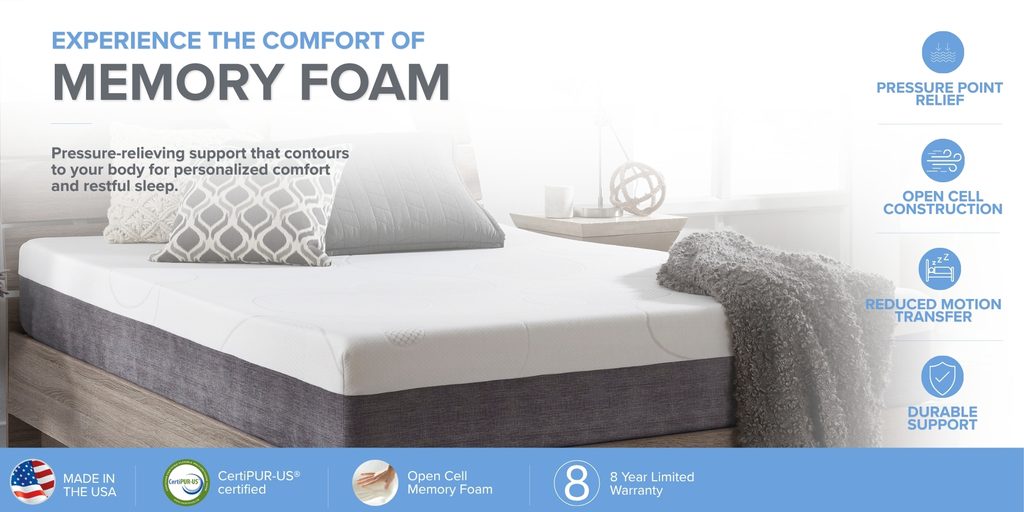
Memory foam has become one of the most recognizable materials in modern bedding, yet it is still surrounded by assumptions that do not reflect how today’s mattresses are designed. Some shoppers picture every memory foam bed as identical: excessively soft, uncomfortably warm, difficult to move on, or suitable for only one type of sleeper. In reality, memory foam is a very versatile comfort material that can be engineered in many densities, firmness levels, layer configurations, and support systems.
Understanding the difference between a material and a complete mattress construction makes shopping much easier. Memory foam is not the entire mattress. It is one component within a carefully designed sleep system, where comfort layers, support foam, ventilation, thickness, and overall firmness work together. Here are five widely held beliefs that deserve a more accurate explanation.
Myth 1: All Memory Foam Mattresses Feel the Same
The phrase “memory foam mattress” describes a broad category, not a single feel. One mattress may have a plush, slow-conforming surface, while another may feel medium-firm, responsive, and easier to move across. Manufacturers can adjust foam formulation, density, firmness, thickness, and layer placement to produce very different performance characteristics.
The Polyurethane Foam Association explains that foam firmness is measured separately from density. A higher-density foam is not automatically firmer, and a lower-density foam is not automatically softer. This distinction is important because it demonstrates how two mattresses containing memory foam can provide entirely different comfort experiences.
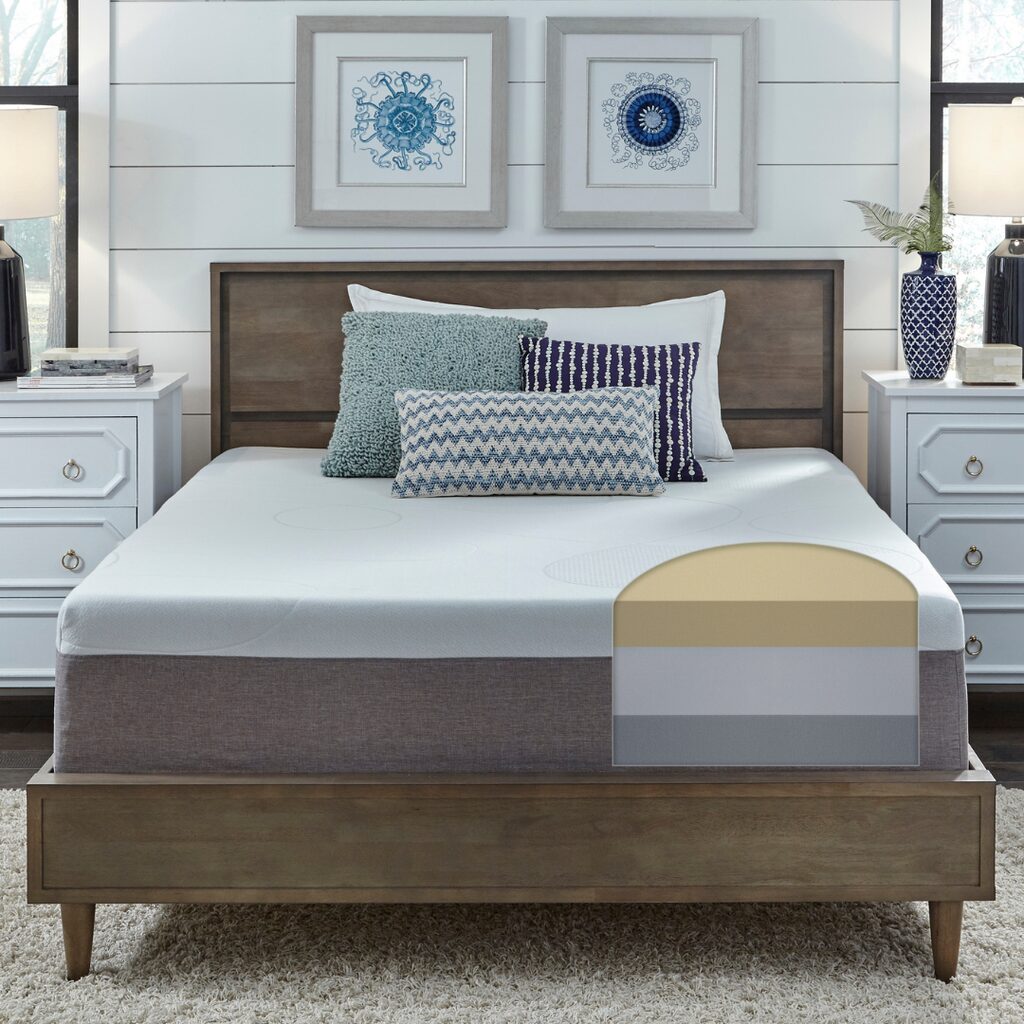
The support core also matters. A well-designed mattress combines contouring comfort with a stable underlying structure. Rather than judging a bed by the words “memory foam’ alone, shoppers should consider the advanced comfort level, the complete layer design, and the type of support the mattress is intended to provide.
Myth 2: Memory Foam Is Always Too Soft
Memory foam is known for adapting to the body, but contouring should not be confused with a lack of support. The purpose of a comfort layer is to distribute pressure and create a more personalized surface. Beneath that comfort layer, firmer support foams help maintain stability and prevent the mattress from feeling uncontrolled or unsupportive.
According to the Polyurethane Foam Association’s overview of foam applications, viscoelastic foam gradually conforms under weight and then returns to its original shape after pressure is removed. This slow-recovery behavior is what gives memory foam its familiar contouring quality. It does not dictate that the finished mattress must feel that plush.
Memory foam can be incorporated into plush, medium, medium-firm, and firm constructions. The final feel depends on the thickness and firmness of each layer, not on the presence of memory foam by itself. For shoppers who want pressure relief without an overly soft surface, a balanced or medium-firm design can deliver both cushioning and dependable support.
Myth 3: Memory Foam Automatically Sleeps Hot
Early memory foam products helped create the perception that all foams trap excessive heat. Modern mattress design, however, has expanded considerably. Manufacturers now use open-cell structures, ventilated foams, gel infusions, breathable covers, and layered constructions intended to improve airflow and manage the sleep environment more effectively.
Temperature comfort is also influenced by factors beyond the mattress, including room temperature, humidity, sheets, blankets, sleepwear, and individual physiology. That means no single material determines the entire nighttime experience.
The Polyurethane Foam Association notes that foam responsiveness can be influenced by characteristics such as openness, airflow, firmness, and density. In mattress design, these variables can be combined strategically rather than treated as fixed limitations. A current memory foam mattress should therefore be evaluated by its specific cooling and airflow features, not by assumptions based on older products.
Myth 4: Memory Foam Makes It Difficult to Change Positions
Some sleepers worry that contouring foam will make them feel stuck. That experience is not universal and often depends on the depth of contour, the softness of the top layer, and the responsiveness of the full mattress. A deeply plush design may allow more immersion, while a medium or medium-firm design generally creates a more balanced surface with easier repositioning.
Layer thickness is especially important. A thin comfort layer can provide pressure relief without creating a pronounced cradle, while transition and support layers help keep the body elevated. Modern mattress construction allows manufacturers to control how deeply a sleeper settles into the surface and how quickly the mattress responds to movement.
Combination sleepers should look beyond the material label and focus on the mattress’s stated firmness, responsiveness, and support profile. Memory foam can offer close contouring, moderate contouring, or a more “on top of the bed” sensation depending on how the complete mattress is engineered.
Myth 5: Memory Foam Is an Uncertain or Unregulated Material
Consumers are right to value transparency in the products they bring into their homes. The most useful approach is to look for recognized third-party standards rather than relying on vague marketing terms. The CertiPUR-US® certification program evaluates flexible polyurethane foam for content, emissions, and durability through independent, accredited laboratories. Certified foams are made without formaldehyde, ozone depleters, regulated phthalates, mercury, lead, and other heavy metals, and they must meet a low-emissions standard for indoor air quality.
CertiPUR-US® emphasizes that certification is specific and evidence-based. Its consumer guidance on certified foam helps shoppers distinguish independently tested products from unsupported claims. For a mattress buyer, certification offers a straightforward way to evaluate the foam using established criteria rather than guesswork.
What Memory Foam Is Designed to Do
Memory foam remains popular because it can adapt to the body, distribute pressure, absorb movement, and contribute to a comfortable, stable sleep surface. Its performance is highly customizable, which allows manufacturers to use it across a range of firmness levels and mattress styles.
The better question is not whether memory foam is universally good or bad. The better question is whether the mattress construction matches the sleeper’s comfort preferences. A thoughtfully layered mattress can combine contouring comfort, reliable support, motion isolation, and a balanced surface without conforming to the outdated stereotypes often associated with foam.
Choose the Construction, Not the Myth
Mattress shopping becomes easier when broad assumptions are replaced with specific product information. Review the firmness description, layer construction, cooling features, certifications, trial period, and warranty. These details reveal far more about a mattress than the material category alone.
Slumber Solutions mattresses are designed to make that process approachable, offering clearly defined comfort options and thoughtfully constructed foam systems. Memory foam is not a one-size-fits-all experience. When it is paired with the right support structure and selected according to personal preference, it can provide a dependable foundation for comfortable, restorative sleep.