
Main Menu
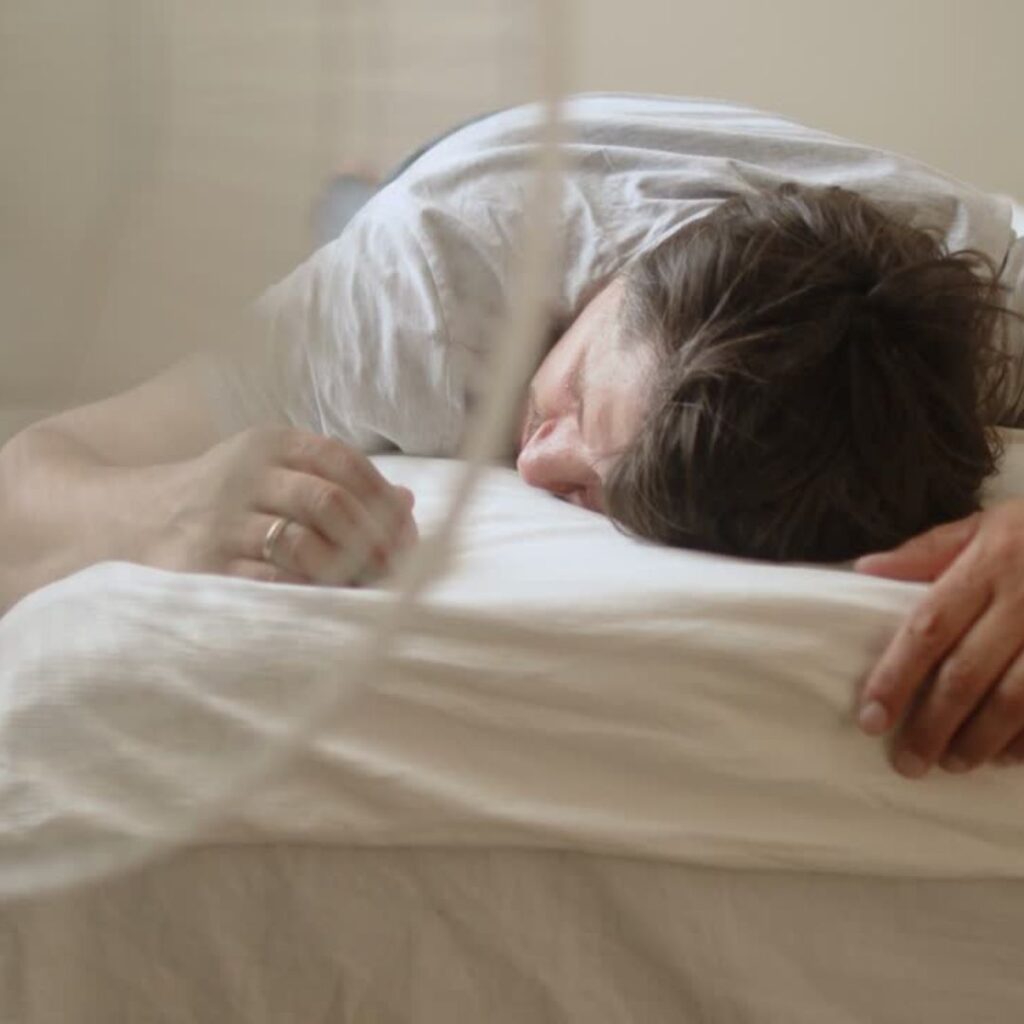
You turn down the thermostat, kick off the blankets, and flip your pillow to the cool side, but you still cannot get comfortable. Hot summer nights can make falling asleep more difficult, and research suggests the temperature may affect more than your comfort.
How does heat affect your sleep, and what can you do to create a cooler sleep environment?
The Keck School of Medicine of USC found that there is greater temperature-related sleep loss between June and September. Researchers have also connected higher temperatures with shorter sleep times, more nighttime interruptions, and additional time spent awake in bed. This means a hot night may affect both how long you sleep and how rested you feel the next morning.
Understanding the connection between heat and sleep can help you make smarter choices about your bedroom, bedding, and mattress during the summer months.
Why does your body need to cool down for sleep?
The body naturally begins cooling as bedtime approaches. That temperature decrease helps signal that it is time to wind down and sleep. A warm bedroom or sleep surface can make it harder for the body to release heat. When the body struggles to cool down, falling asleep and staying asleep may become more difficult.
Your internal body clock, also known as your circadian rhythm, controls many of the changes that happen throughout the day. These changes include when you feel hungry, alert, tired, or ready for sleep. As part of this daily pattern, your core body temperature normally begins to decrease in the evening.
The researchers at USC found that warm conditions may prevent the body from cooling properly, activate a stress response, and reduce time spent in deep and REM sleep.
In other words, feeling overheated is not simply an inconvenience. It can interfere with the biological processes that help your body settle into restorative sleep.
Your body may continue trying to release heat during the night. This can lead to sweating, restlessness, and repeated changes in sleeping position. Even if you do not fully wake up each time, these interruptions may prevent you from moving smoothly through the different stages of sleep.
How Heat Affects Your Sleep
It May Take Longer to Fall Asleep
When the bedroom remains warm, the body may have difficulty reaching the lower internal temperature associated with sleep.
The American Meteorological Society notes that high nighttime temperatures have been associated with reduced sleep quality and changes in sleep timing. This can include a delayed start to sleep, which means people may remain awake longer after going to bed.
The research presented at the 2025 American Meteorological Society Annual Meeting looked at the connection between indoor nighttime temperatures and perceived sleep quality. It also considered how cooling methods, personal temperature preferences, and access to cooling may influence bedroom conditions.
This is important because the temperature reported by a nearby weather station may not match the temperature inside your bedroom. A room may stay warm after sunset if the home holds heat from the afternoon, has limited airflow, or does not have consistent air conditioning.
You May Wake Up More Often
Heat can cause tossing, turning, sweating, and repeated awakenings. Even when someone remains in bed for the same number of hours, interrupted sleep may leave them feeling less restored.
Sleep quality is not only based on the number of hours you spend in bed. It is also affected by how often you wake up and whether your body has enough time to complete its normal sleep cycles. Someone may spend eight hours in bed but still wake up tired if heat repeatedly interrupts those cycles.
Overheating can also make it difficult to find a comfortable sleeping position. You may move away from a partner, remove blankets, adjust the thermostat, or get out of bed for water. Each interruption can make it harder to return to a deeper and more restful stage of sleep.
You May Get Less Deep and REM Sleep
Your body needs both deep sleep and REM sleep, but they are separate stages with different purposes. Deep sleep helps the body rest and recover physically. During this stage, the body supports processes related to tissue repair, energy restoration, and immune function. REM sleep is connected to dreaming, learning, memory, and emotional processing.
When your sleep is affected by heat, you may not get enough time in these important stages. It has even been reported that warm weather can reduce time spent in deep and REM sleep.
Because these stages usually occur in cycles throughout the night, repeated awakenings can interrupt the natural pattern. This may help explain why a person can technically sleep for several hours but still feel unfocused, tired, or irritable the next day.
Your Total Sleep Time May Become Shorter
Researchers examined more than 12 million nights of sleep from 14,232 adults. A 10 °C increase in nighttime temperature was associated with approximately 2.63 fewer minutes of sleep per night.
The researchers used sleep information from wearable devices, along with location and weather data, to study how changing temperatures were connected to sleep patterns. They also examined millions of nights of information about sleep stages and nighttime interruptions.
A few minutes may not sound significant on a single night, but repeated sleep loss can accumulate across an entire summer.
For example, losing only a few minutes on one hot night may not greatly affect your routine. However, regularly getting less sleep during weeks or months of hot weather may contribute to a growing sleep deficit. A sleep deficit occurs when you repeatedly get less sleep than your body needs.
The same study projected that, depending on location and future temperature patterns, U.S. adults could eventually lose between 8.5 and 24 hours of sleep annually because of heat. This estimate was based on projected conditions through the end of the century, so it should not be read as the amount of sleep every person currently loses each year.
Who May be Most Affected by Nighttime Heat?
The USC study found stronger associations among:
- Women
- People with chronic health conditions
- Hispanic adults
- People with lower socioeconomic status
- Residents of warmer or more heat-affected regions
The researchers also found that West Coast participants experienced nearly three times as much temperature-related sleep loss as participants in other regions.
These differences may be connected to several factors, including climate, housing conditions, access to air conditioning, and the ability to afford higher cooling costs. Some homes may also have poor insulation or limited ventilation, which can allow heat to remain trapped inside after the outdoor temperature begins to fall.
The indoor temperature research also suggests that people without steady access to cooling may face a greater risk of poor sleep during hot weather. These findings show that creating a cool sleep environment is not equally easy for everyone.
Is your mattress making you sleep hotter?

The temperature of your bedroom is only one part of your sleep environment. Your pajamas, sheets, blankets, mattress protector, pillows, and mattress can all influence how warm or cool your bed feels.
Some sleep surfaces may hold warmth close to the body. This can be especially noticeable for people who already tend to sleep hot. Heavy bedding and mattress protectors made from less breathable materials may also limit airflow around the sleeper.
Your mattress cannot control the weather, but it can influence how comfortable your sleep surface feels. Slumber Solutions offers gel memory foam and cooling-focused mattress options designed to provide pressure-relieving comfort without overlooking the needs of sleepers who tend to feel warm at night.
Gel-infused foam is designed to support a more comfortable sleep experience while still providing the contouring feel associated with memory foam. When shopping for a mattress, consider the overall construction rather than focusing on a single feature. The foam layers, mattress cover, firmness, airflow, and bedding placed on top can all affect how the bed feels.
A cooling-focused mattress cannot replace air conditioning or guarantee that you will never feel hot. However, choosing materials designed with temperature and airflow in mind may support a more comfortable sleep setup, especially when combined with other cooling habits.
Seven ways to sleep cooler during hot weather
- Cool the bedroom before bedtime
Lower the thermostat or run a fan before getting into bed.
Cooling the room in advance can make the space more comfortable before your body begins its natural night-time temperature decrease. If you use a portable fan, position it where it can move air across the room instead of blowing into a blocked area.
2. Keep sunlight out during the day
Close blinds or curtains during the hottest afternoon hours.
Direct sunlight can warm your floors, furniture, and bedding. Those surfaces may continue releasing heat after the sun goes down. Blackout curtains, shades, or other window coverings can help limit daytime heat.
3. Improve airflow
Use a ceiling fan, portable fan, or open windows when outdoor conditions allow.
Opening windows may help when the outdoor air is cooler than the air inside. Keep them closed when the outside temperature or humidity would make the room feel warmer.
4. Choose lightweight bedding
Replace heavy comforters with lighter, breathable layers.
Using separate layers allows you to remove one covering without giving up all of your bedding. Cotton and other breathable fabrics may feel more comfortable than thick materials, although preferences vary.
5. Wear breathable sleepwear
Loose, lightweight pajamas may feel more comfortable than heavy or restrictive fabrics.
Choose sleepwear that allows you to move comfortably and does not trap unnecessary warmth close to your skin.
6. Avoid adding heat immediately before bed
Intense late-night exercise, heavy meals, and very hot showers may make cooling down more difficult.
You do not have to avoid exercise or showers completely. Instead, give your body time to cool down before getting into bed. A consistent wind-down routine may also help signal that it is time to sleep.
7. Evaluate your sleep surface
A mattress that consistently feels hot may be working against the cooler environment you are trying to create.
Before replacing your mattress, check the layers placed on top of it. A thick mattress protector, foam topper, or heavy set of sheets may affect how much warmth you feel. If the mattress is older, uncomfortable, or regularly leaves you overheated, it may be time to explore a better fit.
A cooler night begins with the entire sleep environment
Summer heat can affect how quickly you fall asleep, how often you wake up, and how much restorative sleep you receive. While you cannot control the temperature outside, you can make purposeful changes inside your bedroom. Cooling the room, choosing lighter bedding, improving airflow, and sleeping on a mattress designed with temperature-conscious materials can all contribute to a more comfortable night.
The best approach is to look at your sleep environment as a complete system. One small adjustment may not solve every problem, but several changes can work together. For example, you might close your curtains during the day, cool your bedroom before bedtime, use lighter sheets, and choose a mattress designed with cooling-focused materials.
Pay attention to how you feel when you wake up. If you regularly wake up sweating, remove your covers throughout the night, or feel tired after spending enough time in bed, heat may be one factor affecting your sleep. Persistent sleep problems can have many causes, so consider speaking with a qualified healthcare professional when difficulties continue.
Ready to create a more comfortable sleep setup? Explore Slumber Solutions mattresses and find the comfort level, construction, and cooling features that fit the way you sleep.